



Understanding Lead Generation Operations
Lead generation in healthcare is not merely about attracting attention; it's about creating a seamless pathway from initial enquiry to booked appointment. In a clinic setting, this involves engaging potential patients effectively and ensuring they receive the information they need to proceed with confidence. Successful lead generation starts with understanding the specific needs of patients and tailoring responses to meet these needs promptly.
Key roles involved in lead generation include the front-office staff, who are often the first point of contact, and marketing teams who craft the messaging and outreach strategies. Additionally, platforms like Delta Fuji play a crucial role by automating responses and capturing essential data to refine strategies continually. Understanding these roles helps clinics streamline their processes and improve operational efficiency.
It's important to differentiate between B2B and patient-focused lead generation. While B2B often involves longer sales cycles and multiple decision-makers, patient-focused lead generation is more immediate and emotionally driven. Clinics must focus on building trust and providing quick, informative responses to convert enquiries into appointments effectively.
Optimizing Response Systems for Multilingual Clinics
In multilingual clinics, the speed of response can be a critical factor in securing patient appointments. A rapid response system that communicates in the patient's preferred language can significantly enhance patient engagement. By addressing language barriers, clinics can ensure that potential patients feel understood and valued from the first interaction.
Implementing automated messaging and phone call systems can help clinics respond to enquiries efficiently. These systems can be programmed to deliver information, answer frequently asked questions, and even book appointments without manual intervention. For clinics like Delta Fuji, this means being able to handle enquiries in languages that staff may not speak fluently, without compromising on the quality of the interaction.
Handling enquiries across multiple time zones requires a strategic approach. Automated systems should be set up to manage enquiries when the clinic is closed, ensuring that patients receive timely responses regardless of their location. This can be achieved by setting up a schedule for automatic responses or employing a multilingual service that operates around the clock.
Enhancing Enquiry Conversion Rates
To enhance enquiry conversion rates, clinics must tailor their communication to align with patient preferences. This means understanding the channels patients prefer, whether it's email, phone, or text, and ensuring that communications are consistent across these platforms. Personalized messages that address the specific concerns of the patient can significantly increase the likelihood of conversion.
Multilingual capabilities are a powerful tool for better patient engagement. By providing information in the patient's language, clinics can build rapport and trust, which are essential components of successful conversions. For example, a clinic receiving an enquiry from a French-speaking patient should provide all follow-up communication in French to ensure clarity and comfort.
Seamless booking processes are another critical factor in enhancing conversion rates. An efficient booking system should integrate with the clinic's calendar, allowing patients to easily select appointment times that suit them. This can be achieved by using online booking platforms that sync with existing systems, providing a smooth and hassle-free experience for both the clinic and the patient.
Reducing No-Shows with Tailored Reminders
No-shows can be a significant drain on clinic resources, but tailored reminder systems can help reduce their occurrence. By creating reminders in the patient's language, clinics can ensure that patients fully understand the details of their appointments and the importance of attending. This can be particularly effective in multilingual clinics where language barriers might otherwise lead to confusion.
The timing of reminders is crucial for maximum impact. Sending reminders too early may result in patients forgetting about their appointments, while too late could lead to scheduling conflicts. Clinics should aim to send reminders approximately 24 to 48 hours before the appointment, providing patients with sufficient time to confirm or reschedule if necessary.
Using multiple channels for confirmations can further reduce no-shows. Combining email, text messages, and phone calls ensures that patients receive reminders through their preferred communication methods. This multi-channel approach not only increases the likelihood of reaching the patient but also reinforces the importance of attending their scheduled appointment.
Tracking and Measuring Success
Defining and tracking metrics is essential for understanding the success of lead generation efforts. Key metrics such as cost per visit, conversion rates, and return on investment help clinics evaluate the effectiveness of their strategies. By continuously monitoring these metrics, clinics can identify areas for improvement and adjust their approaches accordingly.
Using multilingual data for analysis provides deeper insights into patient demographics and preferences. This data enables clinics to tailor their marketing and communication strategies to better meet the needs of diverse patient groups. For instance, understanding which languages are most commonly spoken among patients can help clinics prioritize resources for those languages.
Adjusting strategies based on performance insights is key to maintaining a competitive edge. Clinics should regularly review their lead generation activities and outcomes, making data-driven decisions to enhance their operational efficiency. This might involve refining messaging, altering response times, or exploring new communication channels to better serve their patient base.
Reactivating Dormant Patients
Reactivating dormant patients can be a cost-effective way to increase patient volume. Identifying dormant patient profiles involves analyzing past appointment data to find individuals who have not visited the clinic in a while. This information can then be used to develop targeted outreach campaigns aimed at re-engaging these patients.
Crafting multilingual outreach campaigns is essential for reaching a diverse patient base. By sending personalized messages in the patient's language, clinics can create a welcoming and familiar environment that encourages patients to return. This approach not only demonstrates respect for the patient's culture but also increases the likelihood of successful reactivation.
Incorporating feedback into reactivation strategies can further enhance their effectiveness. Clinics should solicit feedback from reactivated patients to understand what prompted them to return and what improvements could be made. This information can then be used to refine future campaigns and ensure they resonate with the target audience.
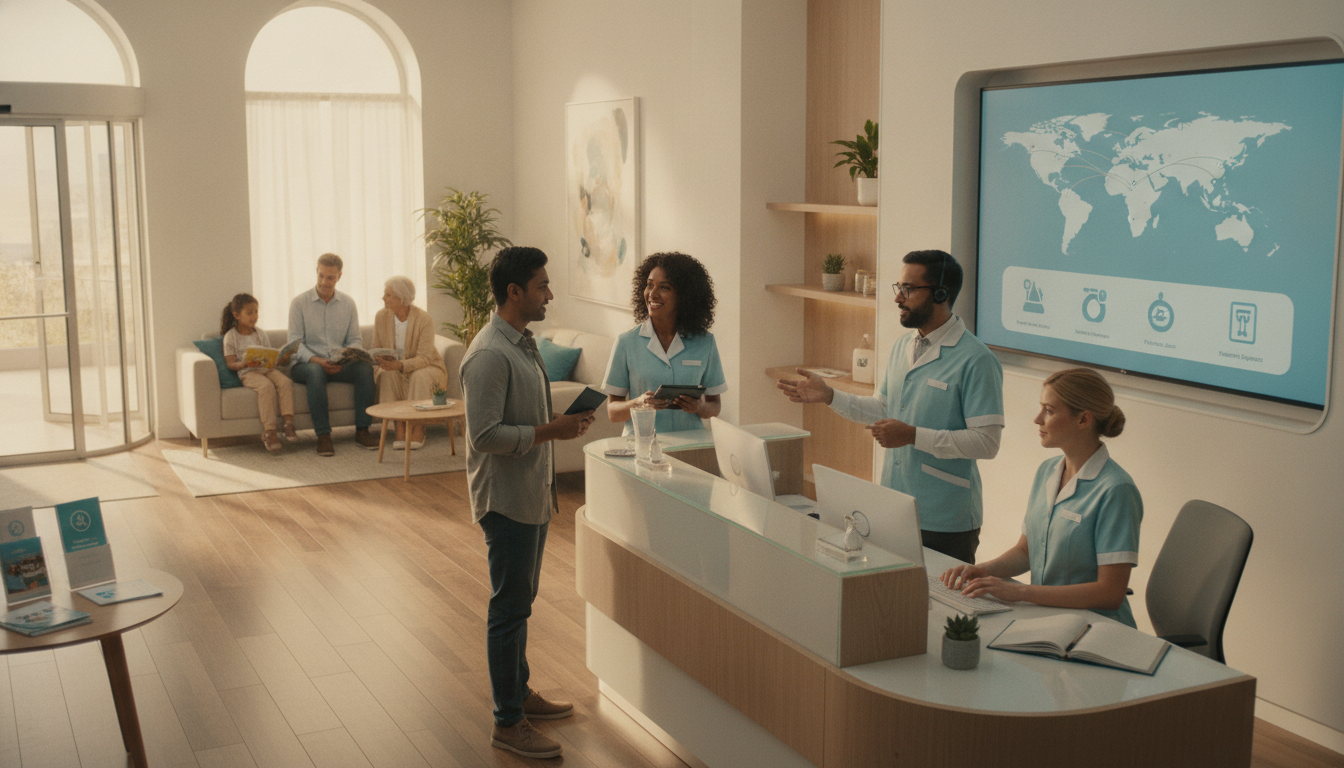
Rapid multilingual response systems can significantly enhance patient engagement by addressing language barriers effectively.
Grow your followers and engagement on LinkedIn and Instagram
People check your profiles before they book. We keep them alive: on-brand posts written and published for you across LinkedIn and Instagram, prospects reached and their replies handled, and your follower and engagement growth tracked so you can watch it climb, while you focus on the business.
Content, outreach and reporting, managed every month.