



Automation strategies are crucial for clinics aiming to enhance patient engagement, especially in multilingual environments. For clinics serving diverse linguistic backgrounds, implementing effective automation can smooth operations, improve patient satisfaction, and optimize resource use. Focusing on multilingual patient engagement ensures clinics not only meet but exceed patient expectations.
Understanding Multilingual Automation Needs
Multilingual patient engagement presents unique challenges that are critical to address when considering automation. Language barriers can lead to misunderstandings and dissatisfaction, making it essential for clinics to identify which areas of patient interaction are most affected. For instance, initial enquiries and appointment bookings are often the first touchpoints where miscommunication can occur. By recognizing these challenges, clinics can tailor their automation strategies to bridge these gaps effectively.
Evaluating current processes is the next step in understanding automation potential. Clinics should conduct a thorough review of their existing patient engagement workflows, noting where manual processes are inefficient or prone to errors. This evaluation highlights opportunities where automation can be implemented to enhance efficiency and accuracy. Identifying specific tasks that would benefit most from automation is crucial.
Prioritizing patient interactions for automation involves pinpointing which touchpoints can be improved with technology. Clinics should focus on automating routine tasks that do not require personal interaction, like appointment confirmations and reminders. Automating these interactions frees up staff to concentrate on complex patient needs, thereby improving overall service quality and helping clinics manage resources more effectively.
Automating Initial Patient Enquiries
Implementing systems to respond to patient enquiries in multiple languages is foundational for automation. Clinics can deploy platforms that automatically detect enquiry language and provide an appropriate response. This ensures patients receive timely and relevant information, enhancing their initial experience with the clinic.
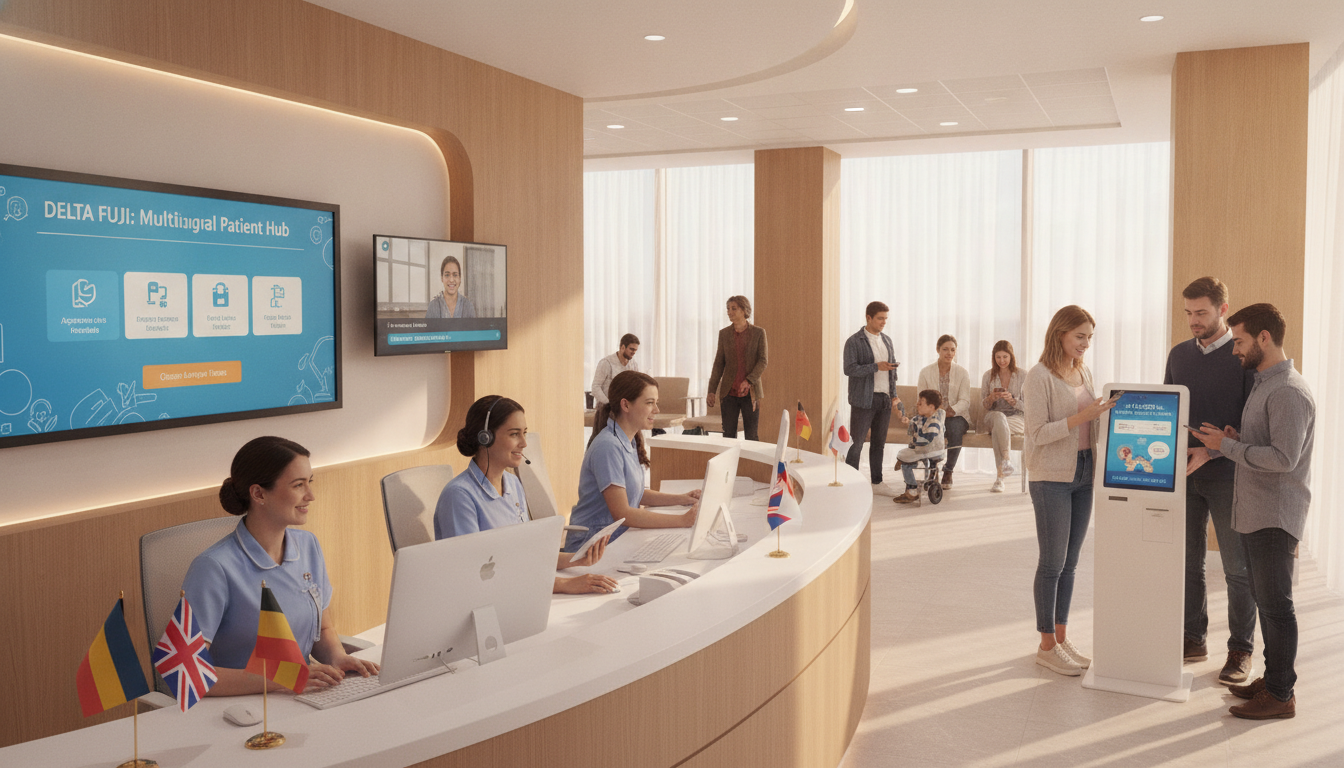
An automated enquiry triage system can refine this process by evaluating language and service fit. For example, Delta Fuji's platform assesses whether a patient's case aligns with the clinic's offerings and directs them to the appropriate service line. This not only improves efficiency but ensures patients connect with the right care providers from the outset.
Using multilingual templates for enquiry responses ensures consistency and professionalism. Templates can be customized for different languages, providing a cohesive voice in communications. Clinics should regularly update these templates to reflect changes in services or policies, ensuring patients receive the most current information.
Optimizing Appointment Scheduling Automation
Automating appointment scheduling to accommodate language preferences is key to enhancing patient experience. Clinics can integrate systems that allow patients to book appointments in their preferred language, making the process accessible and user-friendly. This reduces potential errors and increases patient satisfaction, though implementing such systems can initially be more costly than expected.
Integrating automated reminders in patients' native languages can significantly reduce no-shows. Clear and understandable reminders improve attendance rates and optimize scheduling efficiency. These reminders can be delivered via multiple channels, such as email, SMS, or messaging apps, reaching patients in their preferred format.
Enabling self-service booking with multilingual support empowers patients to manage their appointments independently. This feature benefits clinics with a high volume of international patients, allowing them to book, reschedule, or cancel appointments without language barriers. Providing this level of autonomy helps clinics adopt a more patient-centered approach to care.
Enhancing Post-Visit Follow-Up
Automating feedback requests in the patient's language gathers valuable insights into the patient experience. Clinics can use these insights to identify improvement areas and enhance service delivery. Feedback requests should be sent shortly after the visit, ensuring patients' experiences are fresh in their minds.
Setting reminders for follow-ups based on patient language and needs ensures no patient is overlooked. Automated systems can schedule follow-up calls or messages in the patient’s preferred language, ensuring continuity of care. This personalized approach can lead to higher patient retention and satisfaction.
Using multilingual content for patient education and aftercare is essential for comprehensive care. Providing materials in their language ensures patients fully understand treatment plans and aftercare instructions. This improves patient outcomes and reduces the likelihood of complications due to misunderstandings.
Measuring Automation Success
Tracking response times and engagement in different languages provides clinics with critical data on automation effectiveness. Analyzing these metrics allows clinics to pinpoint improvement areas and adjust strategies accordingly. This data-driven approach ensures automation efforts align with patient needs and clinic goals.
Analyzing conversion rates from automated interactions helps clinics understand automation strategies' impact on patient acquisition. Comparing conversion rates across different languages and channels optimizes communication strategies to maximize patient engagement and conversion.
Assessing patient satisfaction with multilingual automation is crucial for continuous improvement. Regularly soliciting patient feedback about automated system experiences provides valuable insights into what works well and what needs enhancement. This feedback loop helps clinics refine automation processes to better meet patient expectations.
Implementing a Scalable Automation Framework
Choosing tools that support multilingual capabilities is essential for clinics aiming to implement scalable automation. Tools should be flexible enough to accommodate different languages and cultural nuances, ensuring they grow with the clinic's needs. When selecting tools, consider factors such as ease of integration, scalability, and cost-effectiveness.
Comparison of automation tools for multilingual clinics
| Tool Name | Features | Language Support | Cost | Ease of Integration | Scalability |
|---|---|---|---|---|---|
| Delta Fuji | Patient acquisition, multilingual support | Multiple languages | Varies by plan | High | High |
| Tool B | Basic scheduling | Limited languages | Low | Medium | Medium |
| Tool C | Comprehensive patient management | Multiple languages | High | Low | High |
Planning a phased rollout allows clinics to test and refine automation systems before full implementation. Starting with a pilot phase helps identify potential issues and gather feedback from staff and patients. This approach minimizes disruptions and ensures a smoother transition to automated processes.
Training staff on using automation tools effectively is crucial for successful implementation. Staff should be familiar with tool functionalities and understand how to use them to improve patient engagement. Providing ongoing training and support helps ensure staff can use the tools confidently and efficiently.
Effective multilingual automation requires choosing the right tools and training staff to use them properly.
Grow your followers and engagement on LinkedIn and Instagram
People check your profiles before they book. We keep them alive: on-brand posts written and published for you across LinkedIn and Instagram, prospects reached and their replies handled, and your follower and engagement growth tracked so you can watch it climb, while you focus on the business.
Content, outreach and reporting, managed every month.