



Understanding Front-Office Systems
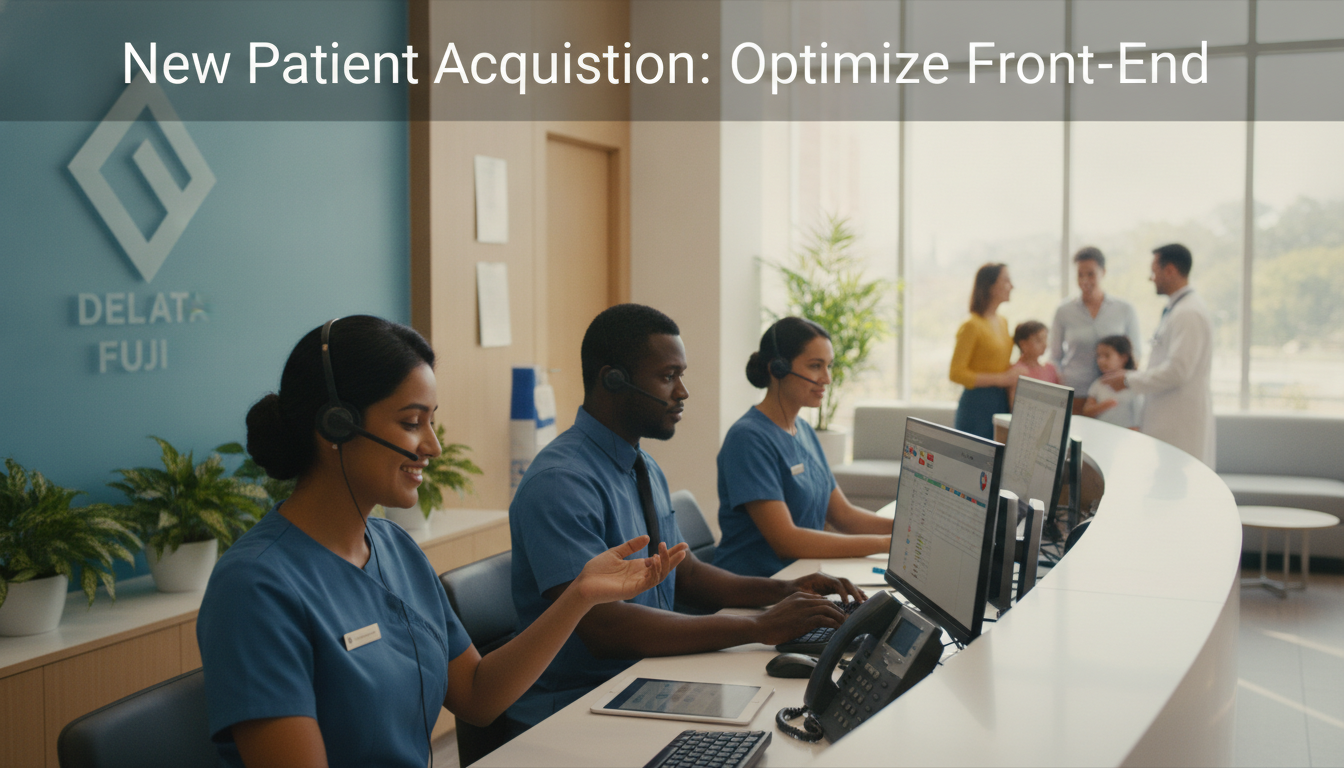
The front-office of a clinic is the first point of contact for potential patients and plays a crucial role in new patient acquisition. This initial interaction sets the tone for the patient experience and can significantly influence whether an enquiry leads to an appointment. A well-structured front-office system ensures that every enquiry is handled promptly and professionally, fostering trust and satisfaction from the outset.
To optimize front-office operations for patient acquisition, it is essential to identify bottlenecks that may be hindering performance. Common issues include delayed response times, inefficient enquiry handling processes, and communication barriers. By pinpointing these obstacles, clinics can take targeted actions to improve their systems, ultimately enhancing the patient acquisition process.
Aligning front-office operations with patient needs involves understanding the expectations and requirements of your diverse patient base. This includes being able to communicate effectively in multiple languages, providing clear and accurate information, and ensuring that the process from enquiry to appointment is as seamless as possible. Tailoring front-office systems to meet these needs can greatly enhance patient satisfaction and retention.
Streamlining Initial Enquiry Responses
An immediate response to initial enquiries is crucial in the competitive healthcare environment. Patients often reach out to multiple clinics and are likely to choose the one that responds first. Implementing a system that ensures responses within minutes can significantly increase conversion rates. This is where technology comes into play, enabling clinics to automate their response workflows and ensure no enquiry goes unanswered.
Automated response systems can handle multiple tasks simultaneously, such as answering common patient questions, checking the suitability of cases, and even booking first visits. By leveraging these systems, clinics can streamline their operations, making them more efficient and responsive. The key is to ensure that these automated responses are not only timely but also personalized to the individual needs of the patient.
Tailoring responses to the language and specific needs of the patient is another critical aspect. By utilizing multilingual tools, clinics can communicate effectively with patients in their preferred languages, enhancing the overall patient experience. This capability allows clinics to serve a broader patient base without the need for additional language-specific staff, thus optimizing resources and improving patient acquisition rates.
Optimizing Appointment Scheduling
Efficient appointment scheduling is vital for maintaining a smooth flow of patients and maximizing clinic capacity. An optimized scheduling system should minimize downtime and reduce scheduling conflicts, ensuring that patients are accommodated promptly and efficiently. Implementing a centralized scheduling platform can help achieve these goals by providing a clear overview of available slots and avoiding double-bookings.
To further enhance the scheduling process, clinics should focus on reducing conflicts by setting clear policies and procedures for appointment bookings. This might include designated time slots for initial consultations or specific protocols for cancellations and rescheduling. By clearly defining these procedures, clinics can minimize disruptions and maintain a steady stream of patients.
Using multilingual tools in the scheduling process can also be a game-changer, especially for clinics serving international patients. These tools allow for seamless booking experiences in the patient's preferred language, reducing misunderstandings and improving patient satisfaction. By integrating these tools into their scheduling systems, clinics can enhance their accessibility and appeal to a wider audience.
Reducing No-Shows with Strategic Reminders
No-shows can be a significant issue for clinics, leading to lost revenue and inefficient use of resources. Implementing a reminder system is an effective strategy to mitigate this problem. Automated reminders can be sent via text, email, or phone calls, ensuring patients are aware of their upcoming appointments and reducing the likelihood of missed visits.
Crafting reminder messages in the patient's preferred language can also play a vital role in reducing no-shows. Language-specific reminders ensure that the message is clearly understood, thereby increasing the chances of patient compliance. It's important to personalize these messages to include relevant details such as the appointment time, location, and any pre-visit instructions.
The timing and frequency of reminders are crucial for their effectiveness. Sending a series of reminders, starting a week before the appointment and continuing up to the day of, can significantly increase attendance rates. Clinics should experiment with different schedules to find the optimal timing that works best for their patient base.
Leveraging Data for Continuous Improvement
Data tracking is a powerful tool for continuously improving front-office operations. By monitoring metrics such as response times, conversion rates, and appointment attendance, clinics can gain valuable insights into their performance and identify areas for improvement. This data-driven approach enables clinics to make informed decisions and refine their strategies over time.
Using data to refine front-office strategies involves regularly reviewing and analyzing collected information. Clinics should establish a routine for assessing this data, looking for patterns and trends that could indicate potential issues or opportunities for enhancement. By doing so, they can proactively address challenges and optimize their systems for better patient acquisition outcomes.
Benchmarking performance against industry standards is another effective way to measure success. While specific benchmarks may not be publicly available, clinics can collaborate with industry peers or use internal historical data to set realistic goals. This comparative analysis can highlight strengths and weaknesses, guiding clinics in their efforts to improve front-office operations.
Enhancing Multilingual Communication
Effective communication with international patients is essential for successful patient acquisition. Multilingual communication ensures that patients feel understood and valued, leading to higher satisfaction and loyalty. Clinics should prioritize this aspect by implementing tools that facilitate seamless language translation, enabling them to cater to a diverse patient base.
Utilizing technology for language translation can bridge communication gaps and enhance the patient experience. By integrating multilingual capabilities into their systems, clinics can provide clear and accurate information to patients in their native languages. This not only improves understanding but also builds trust and confidence in the clinic's services.
Ensuring clarity and accuracy in patient communication is paramount. Clinics should regularly review and update their communication materials to reflect the latest information and language preferences of their patients. By doing so, they can maintain high standards of service and foster a welcoming environment for all patients, regardless of their linguistic background.
Comparison of Response Systems
| System Type | Response Time | Language Support | Automation Level | Cost |
|---|---|---|---|---|
| Manual | Varies, often slower | Limited to staff languages | None | Low |
| Automated Messages | Minutes | Multiple languages | High | Moderate |
| Comprehensive Platform | Minutes | Extensive language support | Very High | Higher |
Tailoring communication to the patient's language and needs can significantly enhance their experience and increase conversion rates.
Grow your followers and engagement on LinkedIn and Instagram
People check your profiles before they book. We keep them alive: on-brand posts written and published for you across LinkedIn and Instagram, prospects reached and their replies handled, and your follower and engagement growth tracked so you can watch it climb, while you focus on the business.
Content, outreach and reporting, managed every month.